
Basic Brochure Plan
Enter your description-
Best for Startups & Small Businesses
-
Bi-fold / Tri-fold (Single Version)
-
1 Design Concept
-
Simple & Informative Design
-
Client-Provided Content Only
-
Stock Images / Basic Graphics
-
❌ No Infographic Design
-
Limited Branding
-
Standard Fonts
-
Up to 2 Revisions
-
❌ Source File Not Included
-
❌ Not Print Ready
-
❌ No Digital PDF
-
JPG, PNG Formats
-
Standard Resolution
-
3–4 Working Days Delivery
-
❌ No Priority Support
-
✅ 100% Ownership Rights
-
❌ No After-Sales Support
Standard Brochure Plan
Enter your description-
Best for Corporates, Brands & Marketing Campaigns
-
Bi-fold / Tri-fold / Multi-Page
-
2–3 Creative Concepts
-
Premium & Brand-Focused Design
-
Content Structuring & Optimization
-
Custom Graphics & Icons
-
✅ Basic Infographics Included
-
Full Brand Alignment
-
Premium Font Selection
-
Up to 5 Revisions
-
✅ AI / PSD Source Files Included
-
✅ Print-Ready (CMYK, Bleed, Crop Marks)
-
✅ Digital Brochure (PDF)
-
JPG, PNG, PDF Formats
-
High-Resolution Output
-
2–3 Working Days Delivery
-
✅ Priority Support
-
✅ 100% Ownership Rights
-
✅ 7 Days Free Support
A service that designs brochures that explain your brand without making people confused
Someone picks up your brochure at a trade show. Someone else gets it from your website. A possible client looks through it during a meeting to sell. Your brochure either makes your business clear or loses their interest for good at those times. A brochure isn’t just a piece of paper with your logo on it. It’s a talk about your brand that happens when you’re not there.
A brochure is more than just paper; it's a brand conversation.
People trust physical things in a different way than they do digital things, so brochures still work:
• Offline materials are more likely to be kept, referred back to, and shared in person
• Trade shows, meetings, and events need handout materials
• Older decision-makers prefer printed information
• Digital brochure PDFs work for email campaigns and website downloads
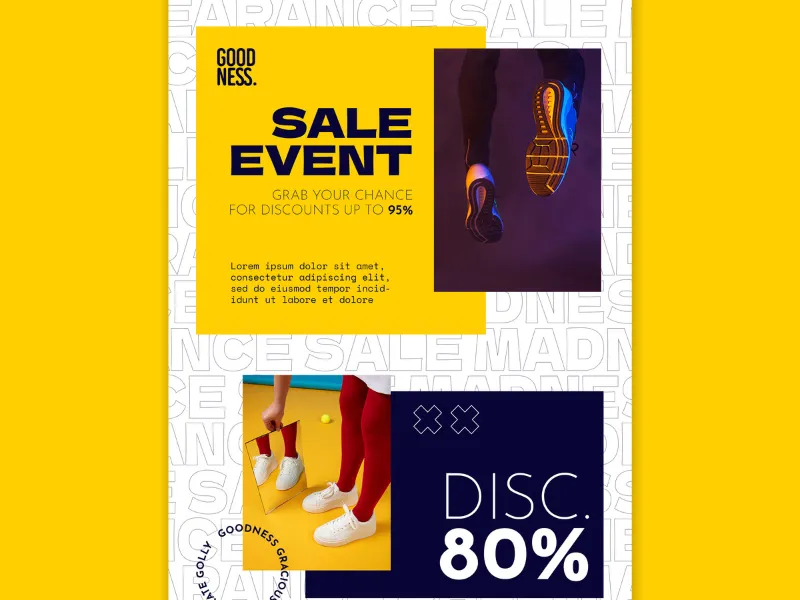
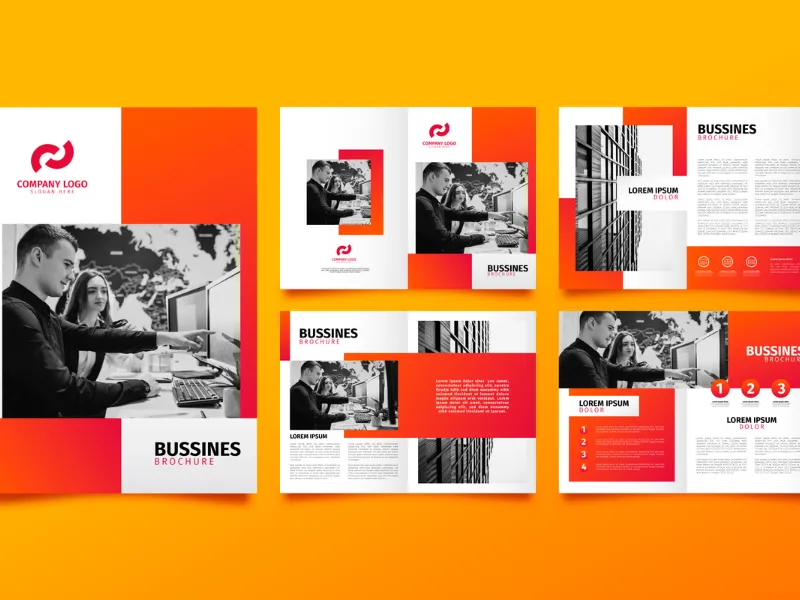
Riddhi Graphic: Four Years of Experience in Brochure Design
- We’ve been designing brochures for businesses for more than four years at Riddhi Graphic. We have worked with businesses of all sizes, from small local service providers to big corporate brands that are growing.
- We have worked with both new businesses and established ones that need to update their materials. Small one-page handouts and long, detailed corporate profiles that take up several pages. Brochures for events and detailed catalogs of products.
- In every brochure project, we pay close attention to clarity, flow, and purpose. Pretty layouts are important, but only if they help people understand what you’re saying. We make brochures that tell people what you do, why it matters, and what they should do next.
What Makes a Good Brochure
- Brochures that work well have simple structures that are easy to follow. Readers should be able to move through information easily without getting lost or confused about where to go next.
- A clean layout and good spacing keep people from getting too much. Putting too much in a small space makes things look stressful. Using white space wisely makes information easier to understand.
- The right mix of words and pictures keeps people interested. Readers get bored when there is too much text. It feels empty when there are too many pictures with no meaning. Balance makes people interested.
- The colors and fonts of your brand stay the same across all of your materials. Your brochure should look like it belongs with your website, business cards, and signs. Design that isn’t connected makes it harder for people to remember your brand.
- Readers know what to do next when there are clear calls to action. You can visit your website, call for a consultation, set up a demo, or ask for a quote. Every brochure needs a clear next step.
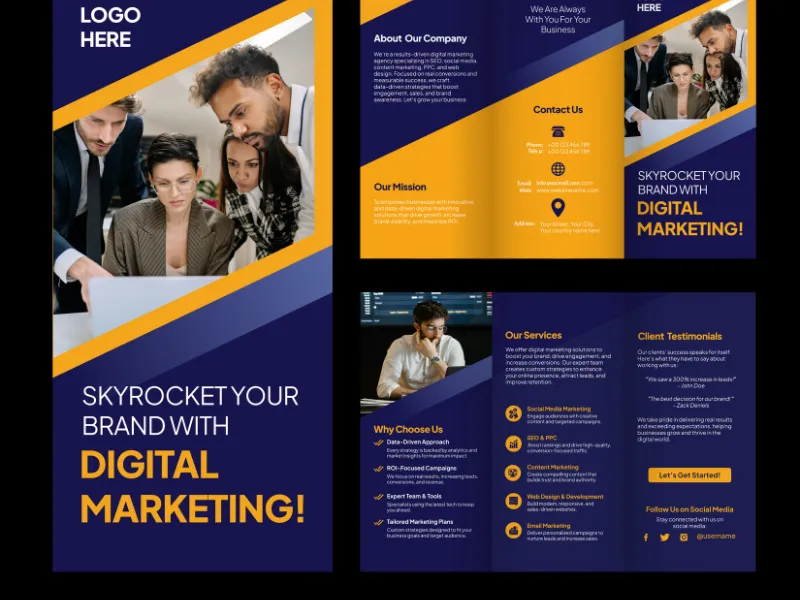
Different Kinds of Brochures We Make
Brochures on One Page
- Company overview brochures are a quick way to tell people about your business. These are good for first-time meetings, events, or quick reference materials where you don’t need a lot of information.
- Brochures that highlight products focus on certain ones. When you launch something new or promote your best product, you need to pay close attention to its features and benefits.
- Event handouts give people the information they need without making them feel overwhelmed. Conference materials, workshop guides, and seminar notes should all be short and easy to read.
- Quick info brochures are a quick way to answer common questions. Single-page designs work well for service explanations, process overviews, and FAQs.
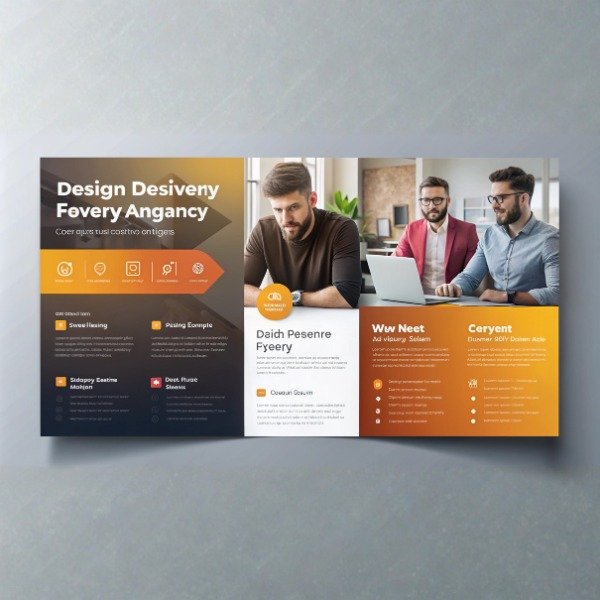
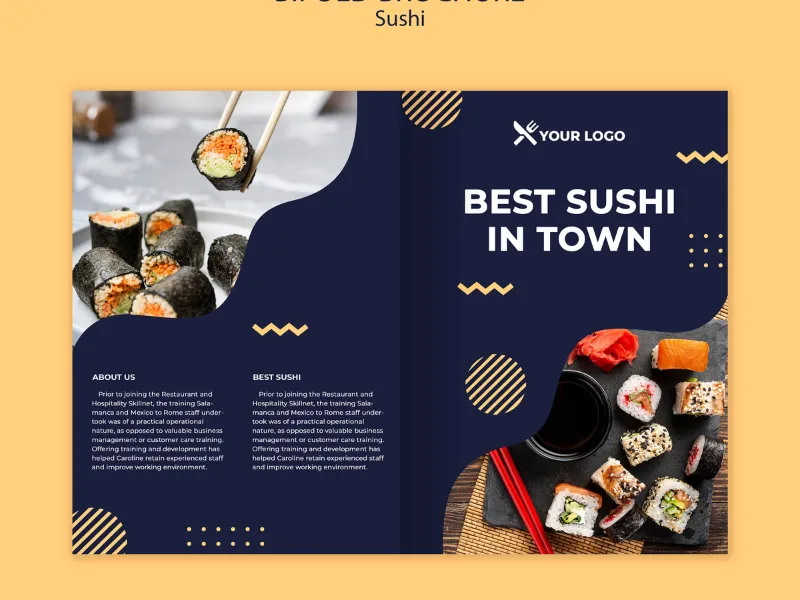
Designs for Folded Brochures
- Bi-fold brochures make four panels of information that are easy to read. Easy to fold and clean, this is great for service overviews or product comparisons.
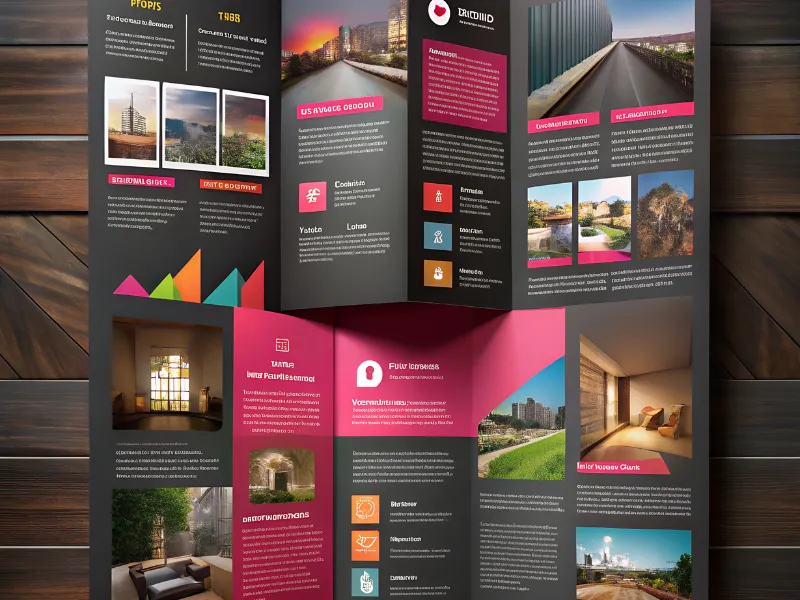
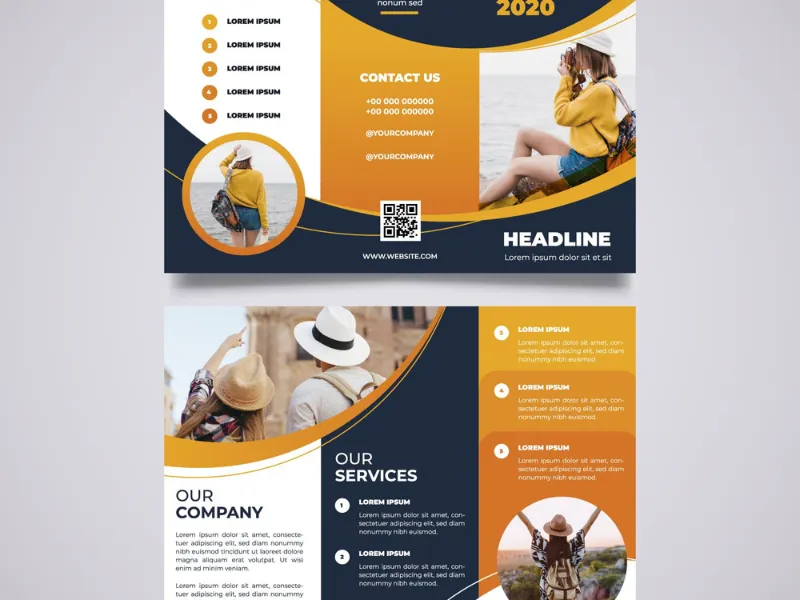
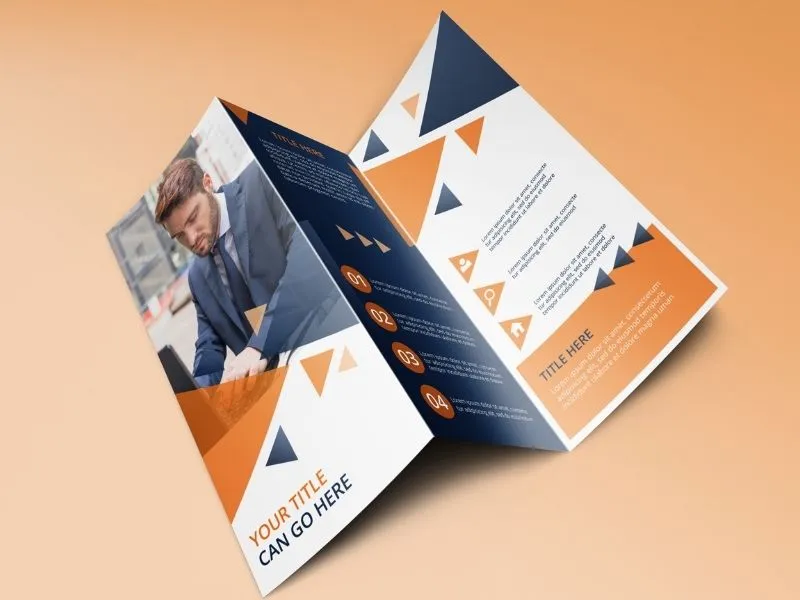
- Tri-fold brochures have six panels that flow naturally from one to the next. The most common format for business documents, it works well for explanations that go step by step or for content that is grouped by topic.
- Custom folds and Z-folds make presentations that are one of a kind. Folding in a certain way makes things more interesting and helps readers follow along with certain steps.
- Sales and service brochures need layouts that are convincing and get people interested while also addressing their concerns. These need to be put in order in a strategic way.
Brochures with more than one page
- Corporate brochures tell the whole story of a brand. Company history, values, services, team, and case studies all need room to breathe on different pages.
- Product catalogs make it easy to find a wide range of products. Multi-page layouts keep single-page clutter from getting too much when you have a lot of products or variations.
- Brand profile booklets give serious prospects all the information they need about a company. B2B sales, investor relations, and building partnerships often need a lot of information about the brand.
- Company presentation materials help with proposals and pitch meetings. These combine ideas from brochures and presentations.
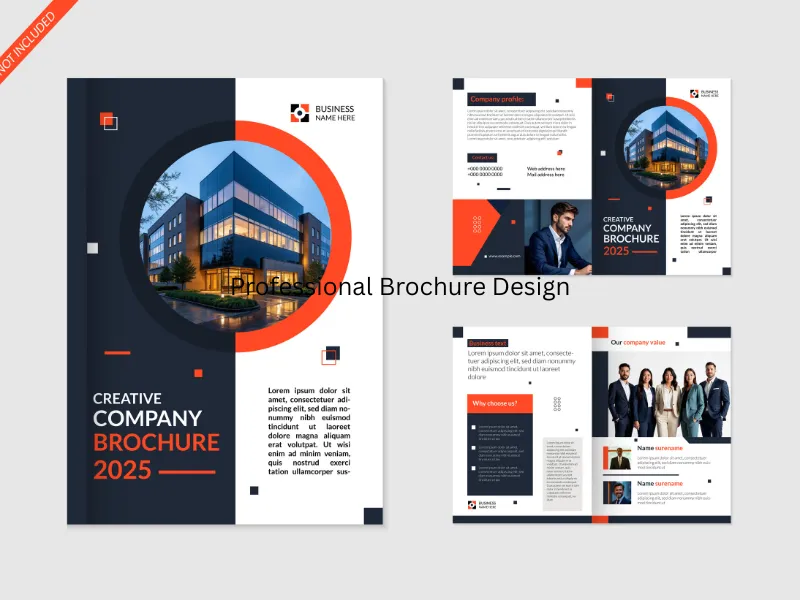
Brochure Design for Specific Industries
Depending on the audience and the industry, the style of design changes completely. Corporate brochures need to look professional. Creative agencies can try new things more often. Medical needs are serious. Kids’ toys let them be silly.
- Real estate brochures use aspirational images and clear specifications to sell homes and developments.
- Brochures from schools and colleges talk about courses, facilities, faculty, and outcomes.
- Brochures for healthcare and clinics build trust by being professional and clear.
- Manufacturing brochures show off the company’s skills, tools, methods, and quality standards.
- IT and software brochures make complicated solutions easy to understand.
- Brochures for finance and insurance show that you can trust them and that they are stable.
- Travel and hospitality brochures make people want to go by showing them beautiful pictures and clear offers.
- Retail and wholesale brochures make it easy to see what products are available and what the terms are.
- Startups and service brands need brochures that quickly show they are trustworthy.
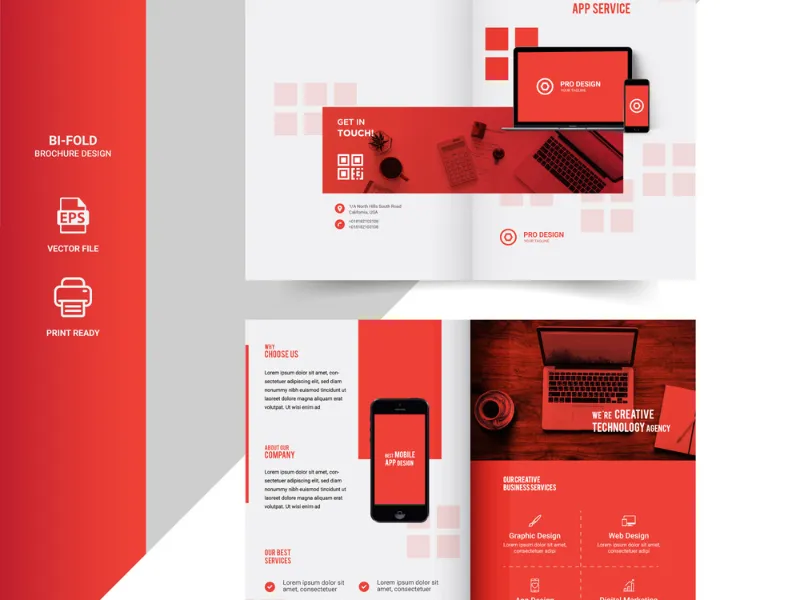
How We Plan a Brochure Before We Make It
- Everything else is shaped by knowing what you want to do.
- Knowing who you want to reach helps you choose the right tone, level of difficulty, and focus.
- Choosing the order of the content makes sense of the information.
- The size and format you choose will affect both the design and how useful it is.
- Visual direction planning sets the mood and style.
Flow of Content That Feels Natural
- The order of events makes up the structure of a story.
- Breaking text up into smaller parts keeps readers from getting too much text at once.
- Headings that help readers find their way are like signs.
- Visual breaks for comfort give your eyes a place to rest.
- When you move pages logically, you respect how people really read brochures.
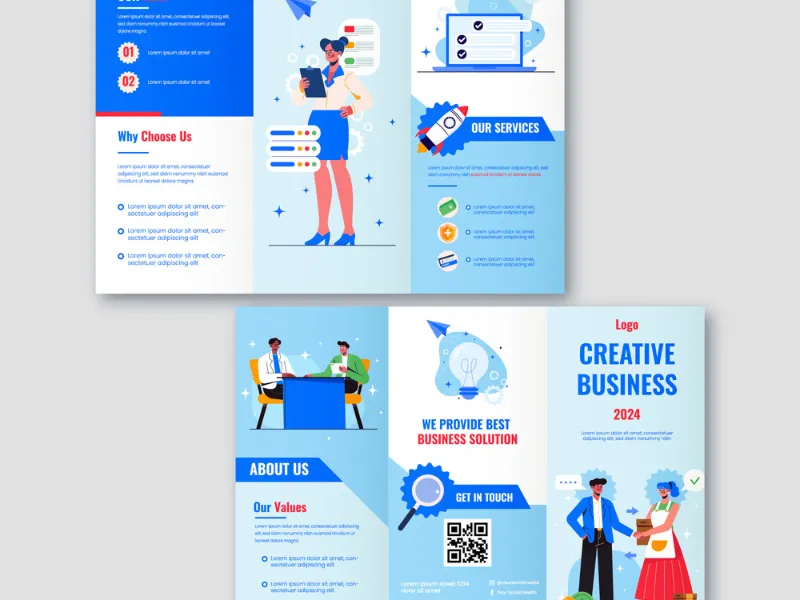
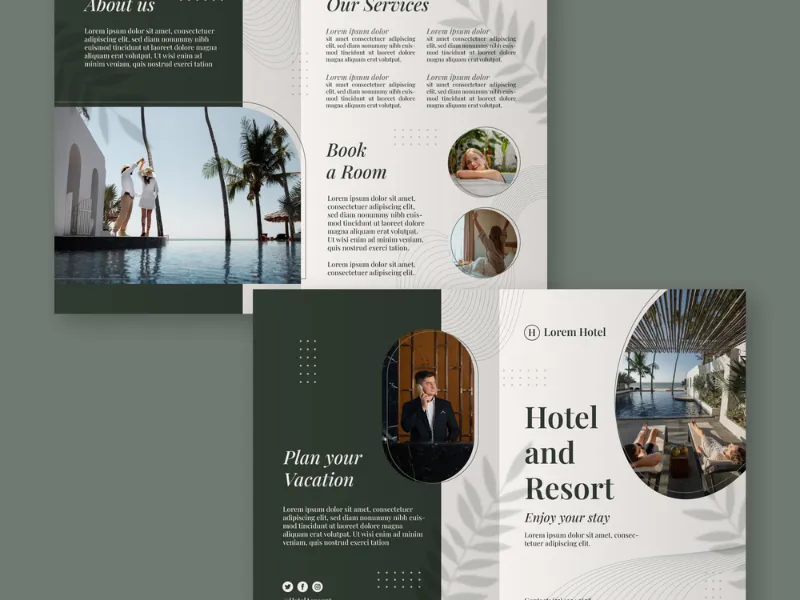
Design Elements That Make a Good First Impression
- Color balance sets the mood without being too much.
- Readability of the font is more important than how it looks.
- Choosing images helps send a message instead of just filling space.
- Using white space keeps people from feeling trapped.
- Visual hierarchy shows which things are most important.
Compatibility of Print and Digital Brochures
- Layouts that are ready to print take into account the quality of the paper, how it will be folded, and how it will be handled.
- PDF brochures that can be shared for email campaigns and downloaded from websites.
- Website-friendly versions may need different aspect ratios or interactive features.
- Designs that are ready for email compress well without losing quality.
- Later updates that are easy to make are important because businesses change.
Why Companies Pick Riddhi Graphic to Make Brochures
- Your brochure won’t look like everyone else’s because we don’t use templates.
- Layouts that are in line with your brand keep the look of your other materials consistent.
- Clear communication during projects stops surprises.
- Quick turnaround keeps things going in business.
- The smooth revision process makes good use of feedback
How Experience Can Help You Avoid Mistakes in Brochures
- Too much text makes people lose interest.
- Bad font size makes it hard to read.
- Weak structure makes it challenging for readers to know where to look.
- Visuals that are challenging to understand don’t help.
- Designs that don’t work well with printing lead to production problems
Different Ways to Design a Brochure
- One-time brochure projects are useful for certain launches or campaigns.
- Product-specific brochures showcase the various options available.
- Corporate profile updates keep the same structure but add new information.
- Updating old brochures makes them look new again.
- Long-term design support means consistency as your business grows.
Common Places to Use Brochures
- Leave-behind materials that prospects can look over later are helpful for sales meetings.
- Handouts are needed for events and exhibitions.
- Brochures are used in office reception areas.
- Brochures are included in client presentations.
- Direct marketing campaigns use brochures to reach specific groups.
From Concept to Final Brochure
- A short talk helps you figure out what you need.
- Planning your layout puts your content in a logical order.
- Design drafts show visual ideas.
- Your input is taken into account in feedback and revisions.
- The final delivery includes files that are ready to print.
Brochures That Show Your Brand in the Right Light
- Clear fonts, logical organization, and a comfortable amount of information make something simple to read.
- The quality of professional design makes it easy to trust.
- Distinctive design that stands out without being gimmicky makes things simple to remember.
- Designed for real people, it takes into account how they really understand things.
- Every design choice you make should help your business grow.
FAQs
What is included in a professional brochure designing service?
The professional brochure designing service contains premium fonts, images, tonnes of different layouts, after-project support, and expert recommendations.
How much does brochure designing cost in India?
Brochure designing cost in India starts from Rs. 5000 to Rs. 25,000 according to the project and customizations in the brochure.
What types of brochures do you design (bi-fold, tri-fold, multi-page)?
At Riddhi Graphic we design all types of brochures – bi-fold, tri-fold, and multi-page – with full customisation and quality work.
How long does it take to design a brochure?
It takes from 7 days to 15 days to deliver the complete brochure design.
Do you provide custom brochure designs or use templates?
We offer both solutions: custom brochure designing when you have a big budget and template brochure designing when you have a limited budget and need it.
How many design concepts will I receive for my brochure?
Its depend on the plan on basic brochure designing plan you will receive 1 layout and on the standard plan you will get upto 3-5 unique layouts.
Are revisions included in the brochure design package?
Absolutely, our top priority is the quality of the work, so we offer revisions until the client is satisfied.
Will the brochure design be print-ready and high resolution?
Absolutely, we offer print-ready and completely high-resolution brochure designing in all plans, whether they’re basic or standard.
Do you also provide brochure content writing services?
No, the content for brochure designing will be shared by the client, or we will generate content using AI tools.
Can you redesign or update an existing brochure?
Yes, we optimise the existing brochure design at a budget-friendly cost.
Which file formats will I receive after final delivery?
After the completion of the brochure design project, you will receive the file in PDF or any required format.
Is the brochure design suitable for both print and digital sharing?
Yes, a brochure is a short summary of your business services, so yes, you can use a brochure for both print design and for digital sharing.